Every now and again a Lens Artists Challenge beckons and this most recent challenge hollered, “come on down.”
Over the past few years I’ve become so captivated by black and white or, monochrome that when I compose an image I try to image what it will look like in monochrome.
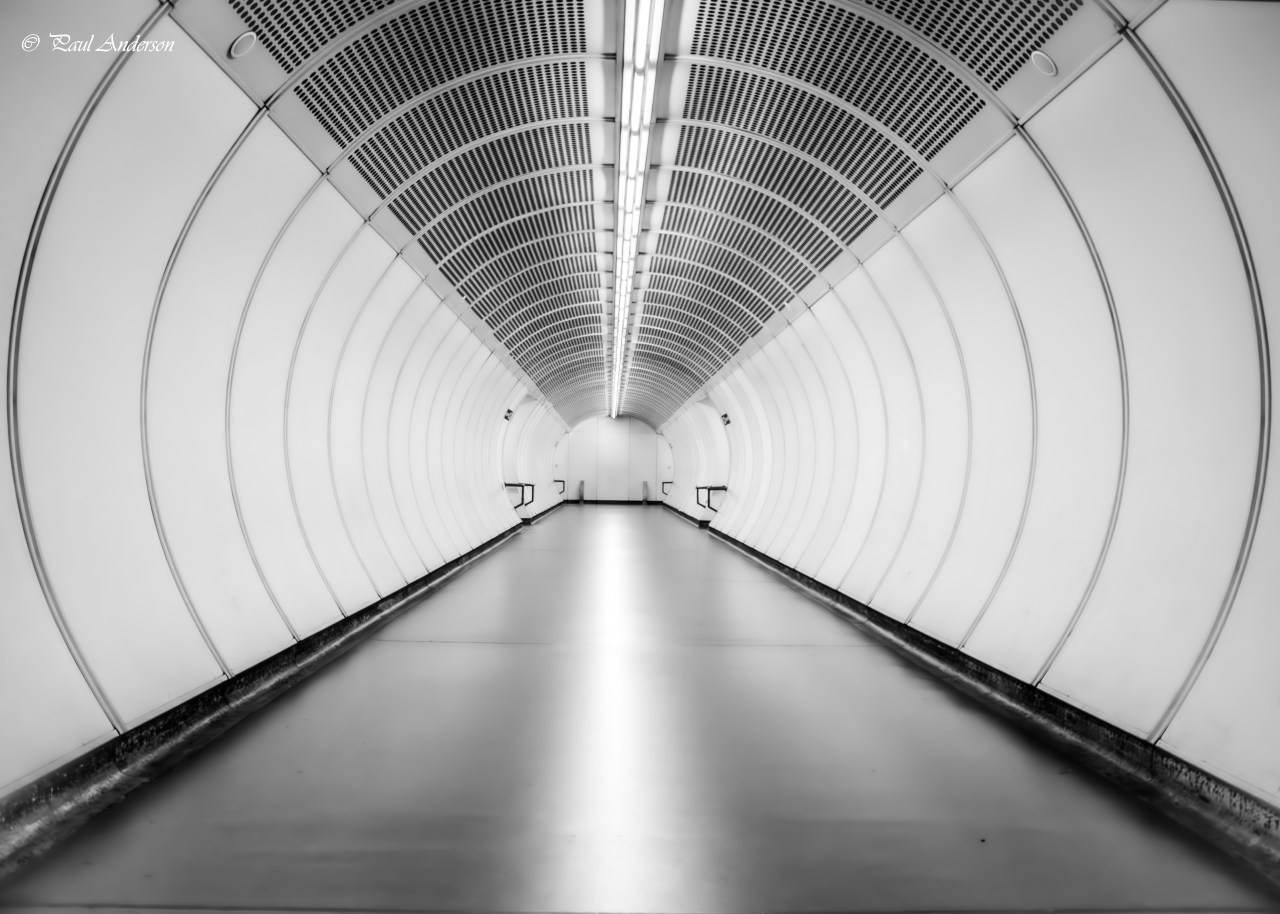
My banner photo was taken at the Südtiroler Platz-Hauptbahnhof station, in Vienna. I shot this image very early on a Sunday morning while the usual hordes of people were enjoying sleeping in.
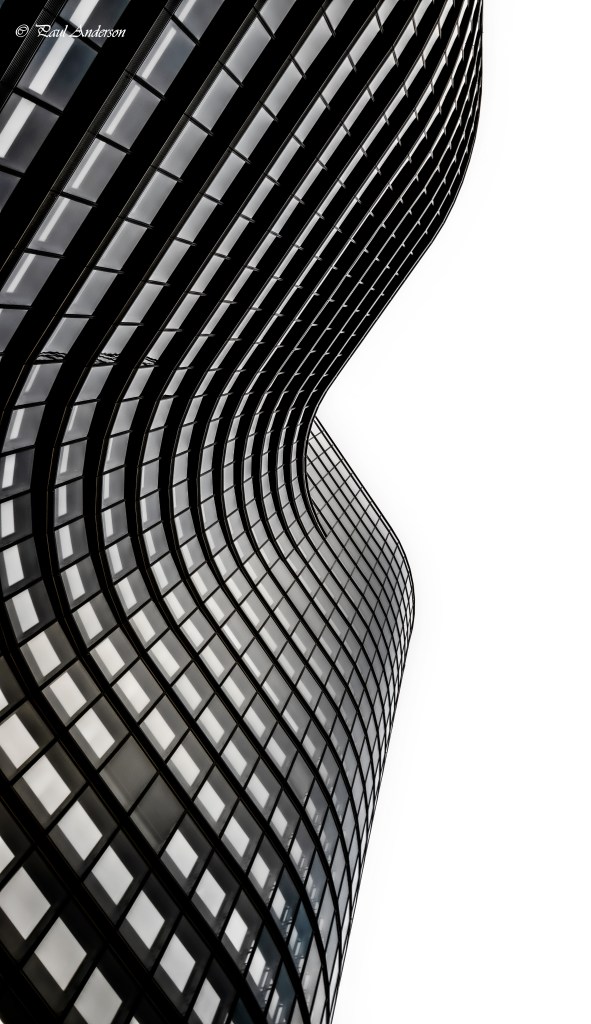
Vienna is known for it’s grand Baroque buildings but there is some magnificent modern architecture, particularly at the Vienna University of Economics and Business. Yeah, well, the photo below was not taken there because a rent-a-cop at the university asked me not to take photos. My sense is that the architect would not be pleased with someone banning photos of his work. The building below is the OBB building across the street from Hauptbanhof station.
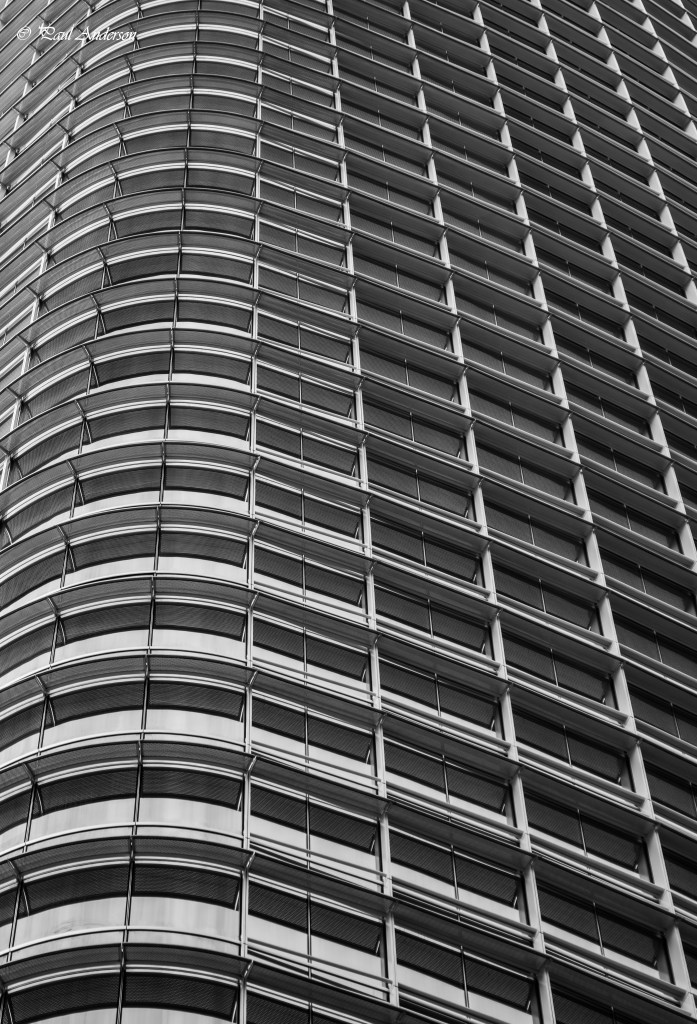
The tallest building in San Francisco is the much maligned Salesforce Tower. A small fraction of that building is pictured below.
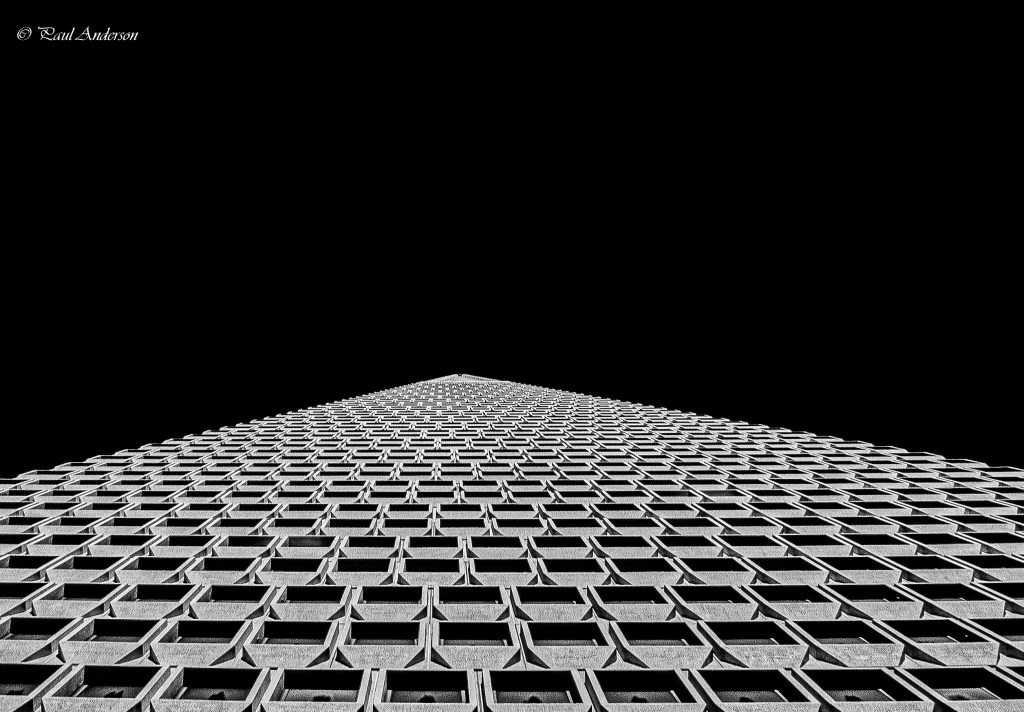
Below is the once maligned and now mostly beloved TransAmerica Pyramid in San Francisco. When the Pyramid was proposed the San Francisco public was in alternate states of embarrassment and outrage. All (well, almost all) is forgiven now that it’s become an iconic part of the San Francisco skyline.
“I was in cities, you know, of, you know, fifty to a hundred thousand in Iraq surrounded by insurgents. And we Marines, well trained Marines, did not act the way that they’re doing, the way they’re treating other fellow Americans right now.”
“They’re using tactics that, you know, we didn’t even use in Iraq in urban areas to basically suppress and make the people feel like they’re under attack.” ~ Arizona Senator Ruben Gallego, who deployed to Iraq with Lima Company, 3rd Battalion, 25th Marines.
Most Americans have seen it played out in one form or another. Whether it was in photos, news footage, or in a documentary, Americans have seen United States soldiers in tactical gear poised in front of a door in an Iraqi city. The names are etched in America’s bloody history; Baghdad (Sadr City), Ramadi, Fallujah, Mosul. One man in front, tense and primed to break down the door, his team crouched behind, weapons at the ready. The door is breached, and the soldiers burst through the entrance in a lethal dance, every move choreographed hundreds of times in training and actual combat. The inhabitants either act with deadly resistance or in overwhelmed terror. The scenes were played out over and over again, a loop of America’s endless, senseless war in Iraq. The operative word is
war.
With the dawning of 2026 a horrified nation is once again watching Americans in tactical gear, carrying long guns breaching doors and waging war. Only this time it isn’t in some obscure city in the Middle East. This time the city under siege is Minneapolis, Minnesota, United States of America. The regime calls it law enforcement but make no mistake, the operative work is
“This is OUR Hemisphere, and President Trump will not allow our security to be threatened.” Tweeted by the Department of State, January 5, 2026.
“I feel better going into this New Year than I did a year ago,” I told my son.
My son disagreed. He and his wife and two children were visiting for four days, starting on Christmas Eve. It was the day after Christmas and the grandchildren were enjoying their video game gifts, while Matthew and I exchanged our predictions for America and the world in 2026.
At around 6 o’clock on the morning of Saturday Jan 3rd, my optimism was shattered when I turned on the T.V. and saw scenes of the fiery flashes of bomb blasts above a chyron that described a U.S. assault on the Venezuelan capital of Caracas, and the kidnapping of Venezuelan President Maduro and his wife and son.
“Fucking Trump,” I said in a tone that sent my dog Lexi to the other room. Over the years she’s learned that “fucking Trump,” means papa is not happy.
Well of course the United States attacked Venezuela. It makes all the sense in a world that’s ceased to make sense. Trump didn’t station a massive fleet off the Venezuelan coast so the sailors could enjoy the balmy Caribbean weather.
Yet even as the fleet sat off the Venezuelan coast and the U.S. continued to commit murder on the high seas by bombing what the Trump regime claimed (without proof) were drug runners, I didn’t think that Trump would go through with an actual incursion.
This old man has a hard time figuring out what inspires writers, poets and artists to gush sentimentally about the time of year when darkness, dampness and cold hold sway over light, comfort and warmth.
Take Andrew Wyeth who came up with this ode to the frosty seasons. “I prefer winter and fall, when you feel the bone structure of the landscape. Something waits beneath it; the whole story doesn’t show.”
I have to believe that Andrew must have been deep into his hot toddies when he came up with that one, because the only bone structure that I feel on a winter morning is my own groaning skeleton and the chill that creeps up my spine when my feet hit the cold floor in the morning.
It’s December 23rd, and yesterday was my favorite day of winter. The 22nd is when the days grow longer. Oh sure, it’s imperceptible but just the knowledge that we’re hitting the back side of winter is a benediction from the weather gods.
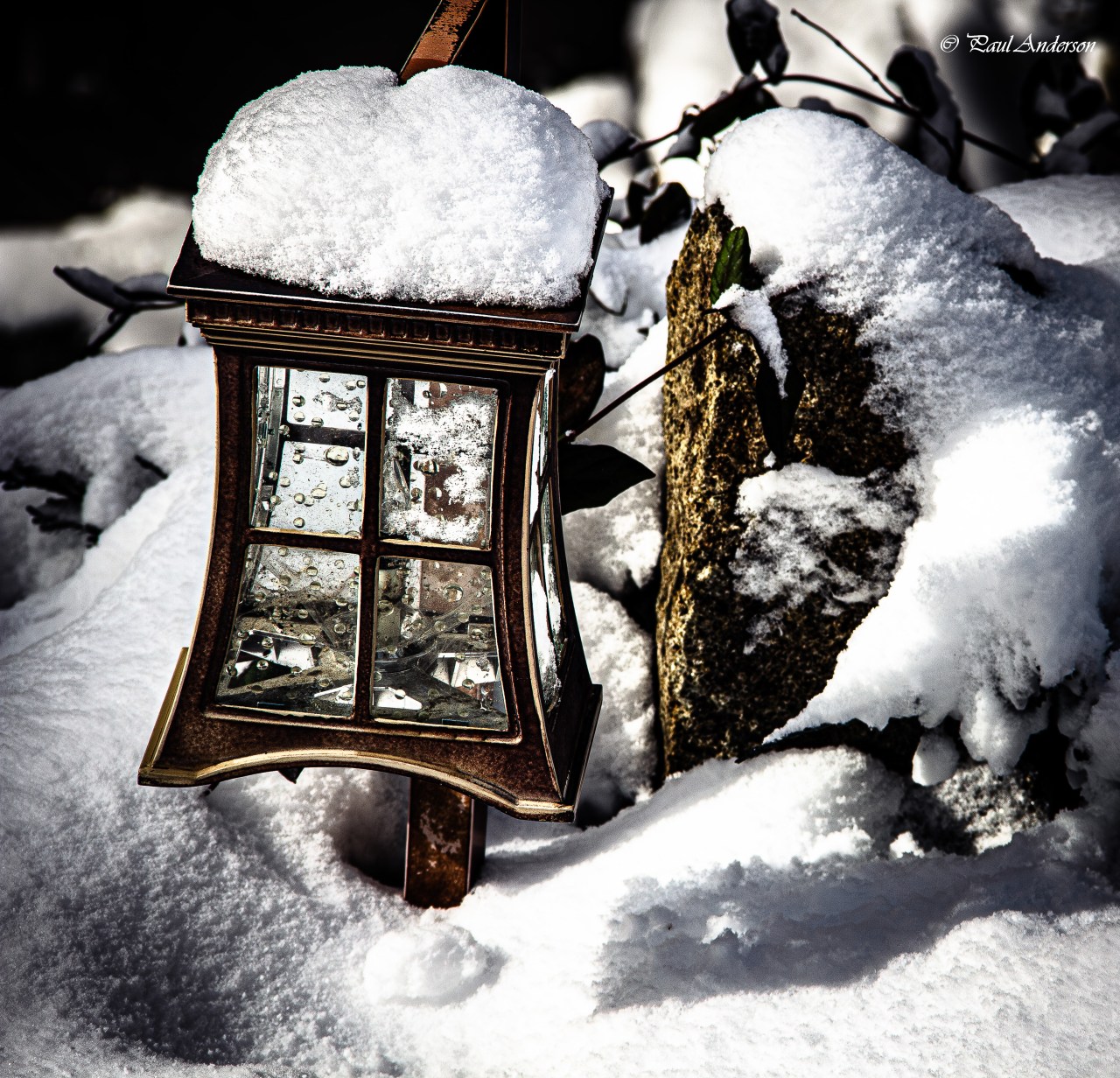
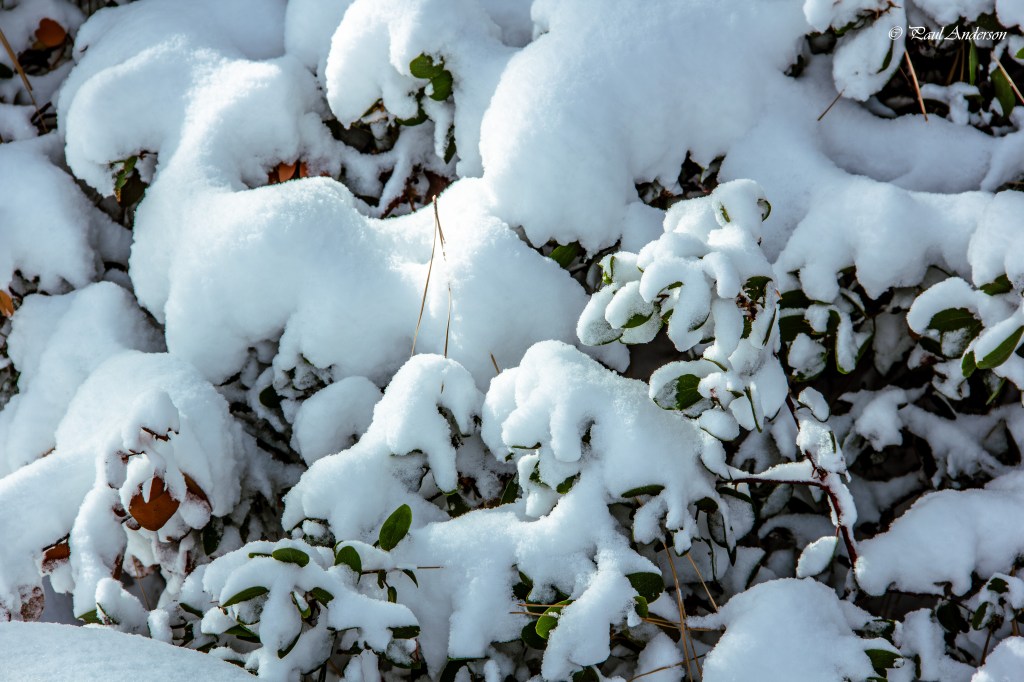
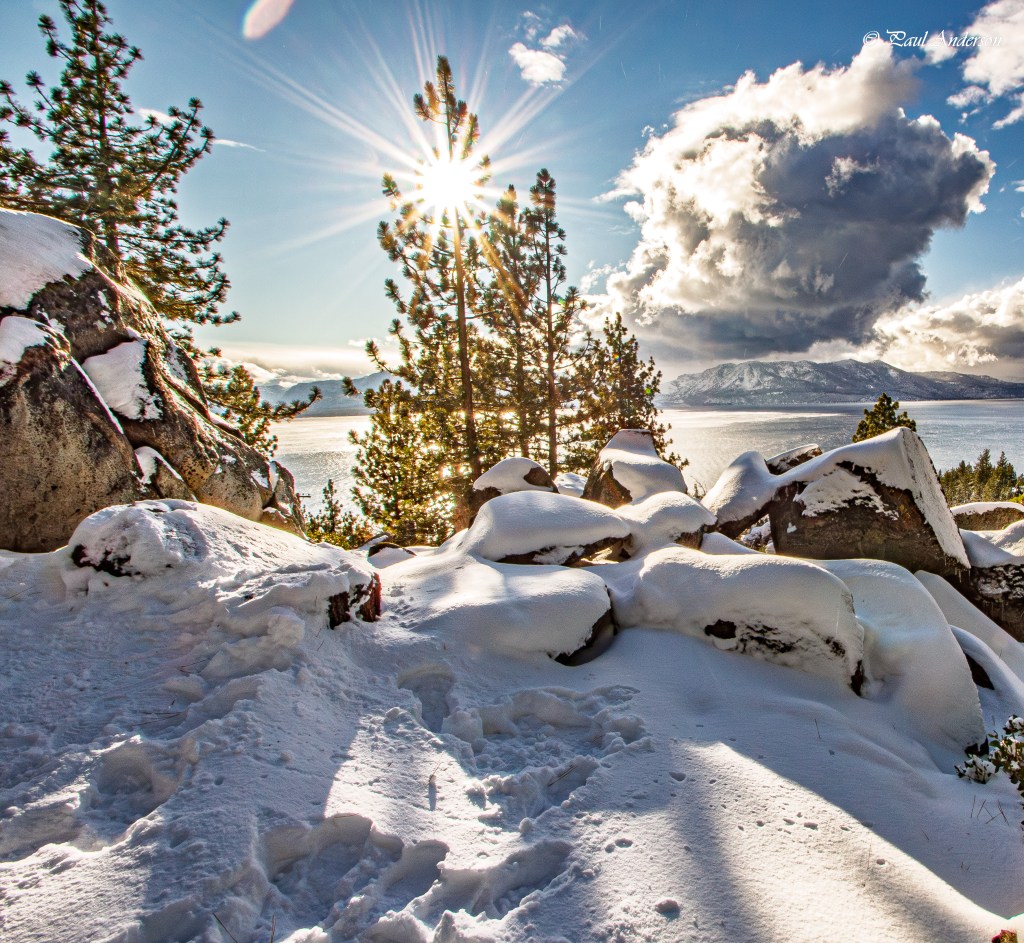
All of that said, like it’s seasonal siblings, winter does present its own unique photo opportunities; some dour and others chilly and at the same time bright.
Snow
It’s fun to watch dogs and kids romp in it.
I love watching (American) football games being played in a blizzard where the markings on the field have been reduced to guess work. To be clear I love watching from the comfort of my living room, wrapped in a comforter and holding a steaming bowl of soup. Is there something perverse about my enjoyment over watching the steam coming from the nostrils of fans as they huddle in their multi-layers of winter gear? Nah, they choose to be their and they probably arrived in their seats well oiled from multiple shots of their favorite adult beverage.
For someone from the San Francisco Bay Area snow is a nice little novelty that makes the home feel all the more comforting and warm. But it doesn’t take long for snow to wear out its welcome with the first fishtail on an icy street or a bruised bottom after an unexpected skate on a frozen sidewalk.
All of that said, for the photographer, winter, like its seasonal siblings, provides its own unique photo opportunities.
There’s a little secret about the following set of pictures of wintry wonderlands.
“What’s in a name? That which we call a rose/ By any other name would smell as sweet.”
Juliet, in her soliloquy, diminishes the significance of a name; in this instance Romeo’s surname, Montague.
Romeo would be the same “dear perfection,” she proclaims, if he were a mere Smith or Jones.
But maybe not a Trump.
Unlike a rose, which would always be pleasantly fragrant even if it were named, say, “dung,” a name can still carry a distinct odor about it. Take the name Trump for instance. Nothing rosy there. More like the stench of a mackerel after ten days under a broiling sun.
That rot was made even more conspicuous and all the more foul when “The John F Kennedy Center For The Performing Arts” was suddenly and somewhat quietly renamed “The Donald J. Trump and The John F. Kennedy Memorial Center for the Performing Arts.”
When I heard the news, my reaction was the same revulsion as I might have had if I’d opened my front door to get a whiff of that rotting fish. My response on social media included not one, not two, but a total of four “fucks.” And a follow up post included yet one more “fuck.”
As someone who was just hitting double digits in age when John F. Kennedy was in office, and whose parents shared the national fascination with JFK, this renaming to include Donald J. Trump struck me as particularly revolting.
‘Mer·i·ca /ˈmerəkə,ˈmərəkə/ nouninformal•US English America (used especially to emphasize qualities regarded as stereotypically American, such as materialism or fervent patriotism).
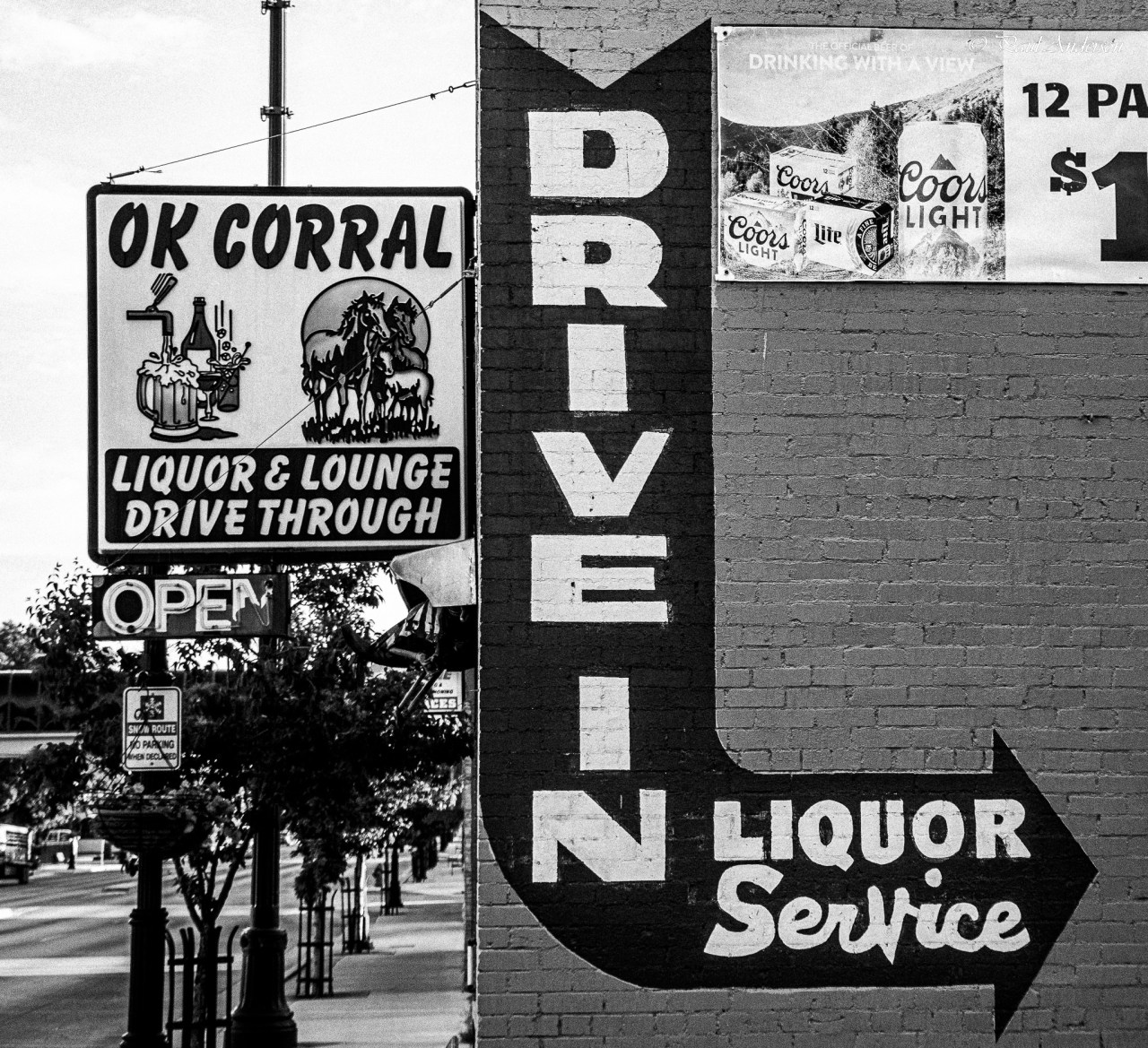
Banner photo: A drive through liquor store in Sheridan, Wyoming. What could possibly go wrong?
Strip the color from an image and what are you left with?
An ordered story.
A quiet, pointed narrative free from the screaming intrusion of color.
It was the works of three photographers who inspired me to pick up a camera when I was approaching my teenage years.
Ansel Adams, the genius who captured the magnificent colors of the American landscape while doing it all in monochrome.
Dorothea Lange, whose black and white images of America’s Great Depression still go straight to the heart.
David Douglas Duncan, whose documentary photos captured the emotions and tragedy of war. Maybe it was Duncan who captivated me the most. Duncan brought the faces of war to the American living room.
And so naturally when I picked up a camera, I shot everything in
color.
It was only recently that I realized my first photographic love.
Black and white.
Following are some photos of ‘Merica in mono.
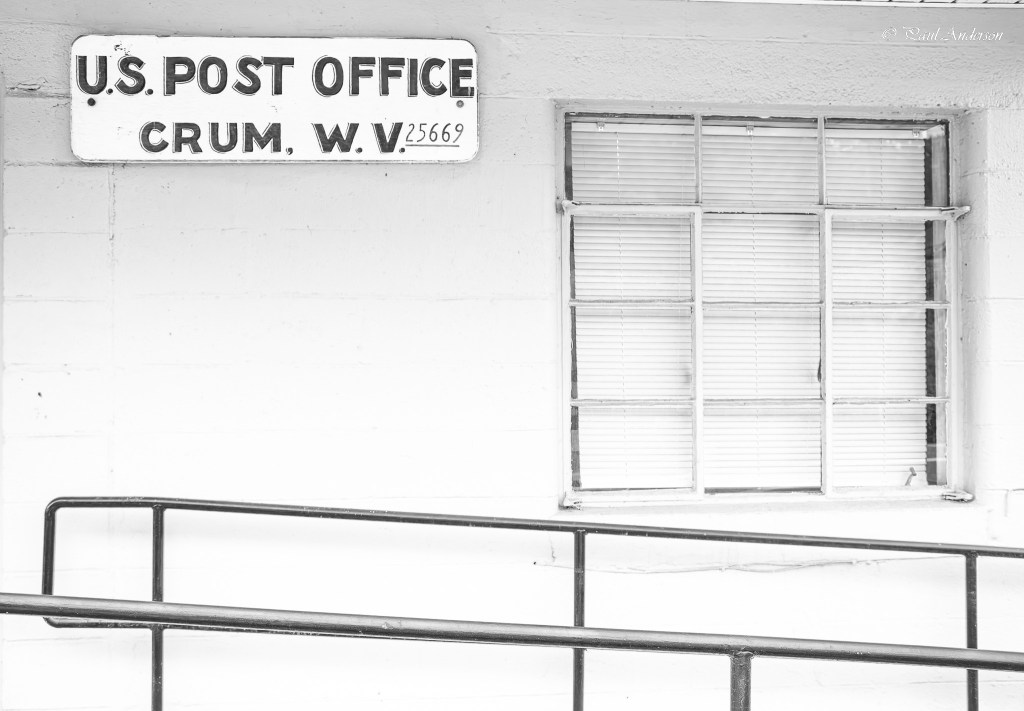
Crum, West Virginia.
This may have been the most welcome sign I saw on the afternoon of October 14, 2021. It was the waning days of a six week road trip and I was lost in the hollers of West Virginia. Once in the rolling forested hills, Google petered out and I drove for a good hour looking for a connection or anything that would tell me where I was so that I could turn to the paper map sitting next to me. It was not a pleasant drive in the country.
Between the proliferation of MAGA signs, Confederate battle flags and the hard stares I got from some locals I had to wonder what had happened to that famed Southern hospitality. It certainly didn’t reside in the heart of the man who glowered at me while he tended a trash fire. as I passed his plot of ground where his ramshackle double wide sat. I’d reached a dead end and on my way out of the cul de sac his scowl seemed even more menacing. When I told a friend of mine that I’d been through the hollers of West Virginia, he said, “Oh hell no. That’s not for me. That’s duelin’ banjos country.” That friend happens to be Black.
A victim of the death of coal, Crum, population 143 suddenly just appeared in a clearing in the West Virginia forest. It’s one of those, ‘don’t blink or you’ll miss it,’ towns. I didn’t blink. I still didn’t know where I was until I spotted the post office. Crum provided the starting point on the map that led me to Huntington.
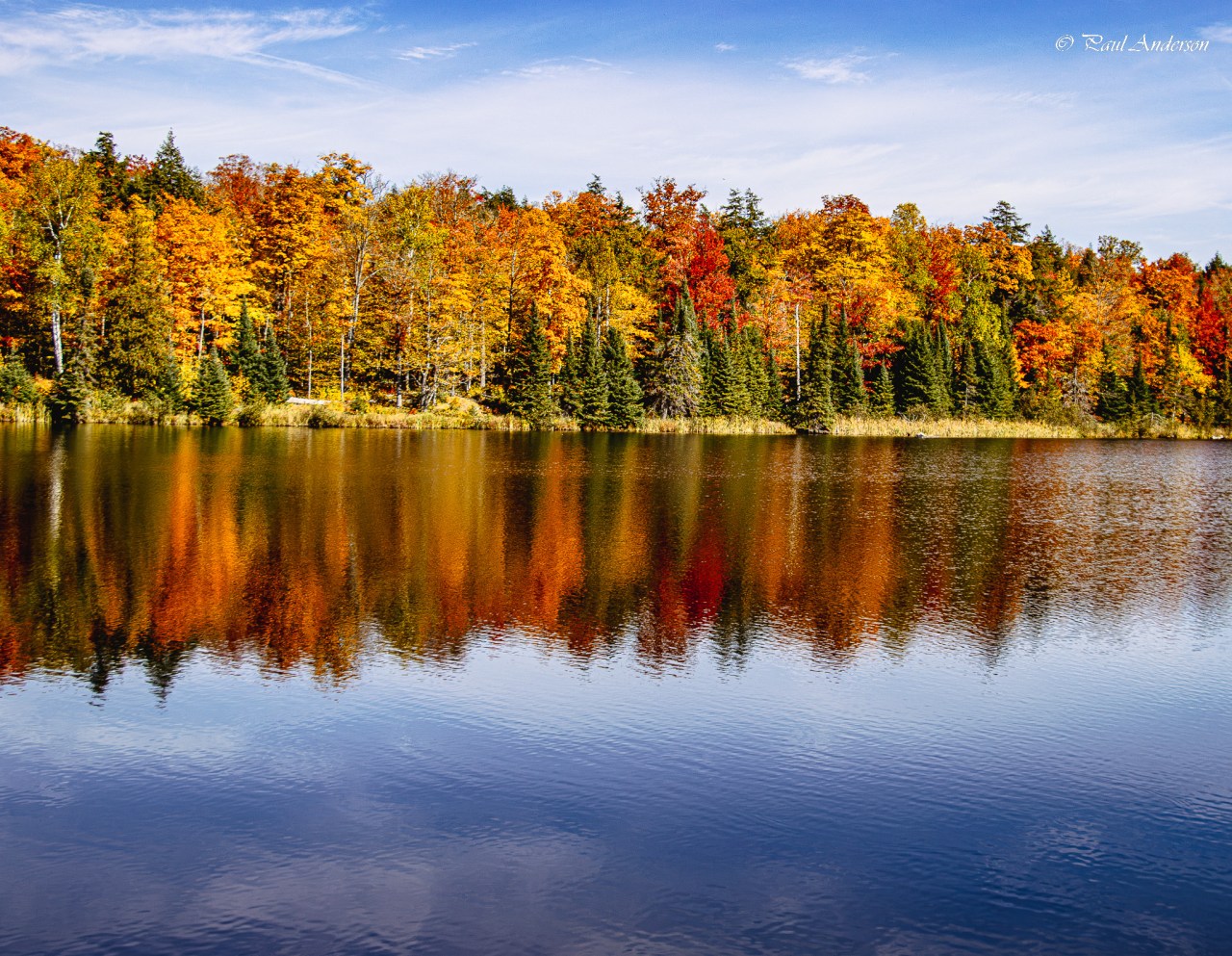
“I love the autumn—that melancholy season that suits memories so well. When the trees have lost their leaves, when the sky at sunset still preserves the russet hue that fills with gold the withered grass, it is sweet to watch the final fading of the fires that until recently burnt within you.” ~ Gustave Flaubert, Memoirs of a Madman and November
Seriously Gustave, you can take your autumn and stick it where the sun don’t shine. And it don’t shine so much in autumn.
Don’t let the title of this little ditty fool you. I don’t celebrate autumn. Poets, authors, and songwriters like to romanticize the “snap” in the fall air. “Snap in the air,” is just verbal ornamentation for “it’s f’ing damn cold.”
And it’s getting dark. One of my favorite days outside of spring and summer is December 22nd. On that date the days start to get longer again. I know, the change is imperceptible, but the very fact that the days are getting longer is enough to warm the heart, even if the rest of the body is shivering from the cold.
It’s not as if autumn is completely without value. It’s the season when Cora and I tend to travel. The kids are back in school and the family vacations are done for the year, meaning that many of the tourists are gone.
And
I – can’t – stand – tourists –
said the tourist.
Autumn’s other saving grace is that for a photographer, fall and its vibrant colors is low hanging squash (yeah, I know, squash doesn’t hang, but work with me, I’m trying to stay seasonal). And so here is my ode to the season I like only better than winter.
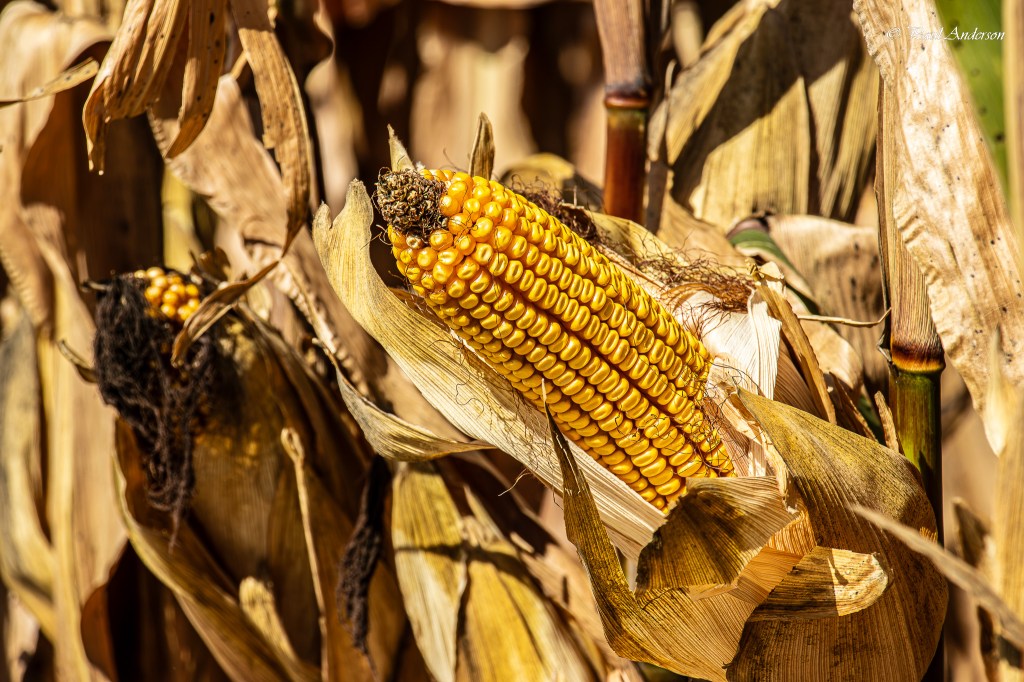
In the autumn of 2021, when COVID was loosening its literal death grip, I took a road trip through America’s Midwest. On my first day I drove from Omaha, Nebraska to nearby Plattsmouth. In a section of the country where the harvest season really has meaning, the little town was celebrating it’s corn festival.
For six weeks I looped around the Midwest and saw endless cornfields, some bursting with corn waiting to be harvested and others just waiting to be plowed up following the just completed harvest.
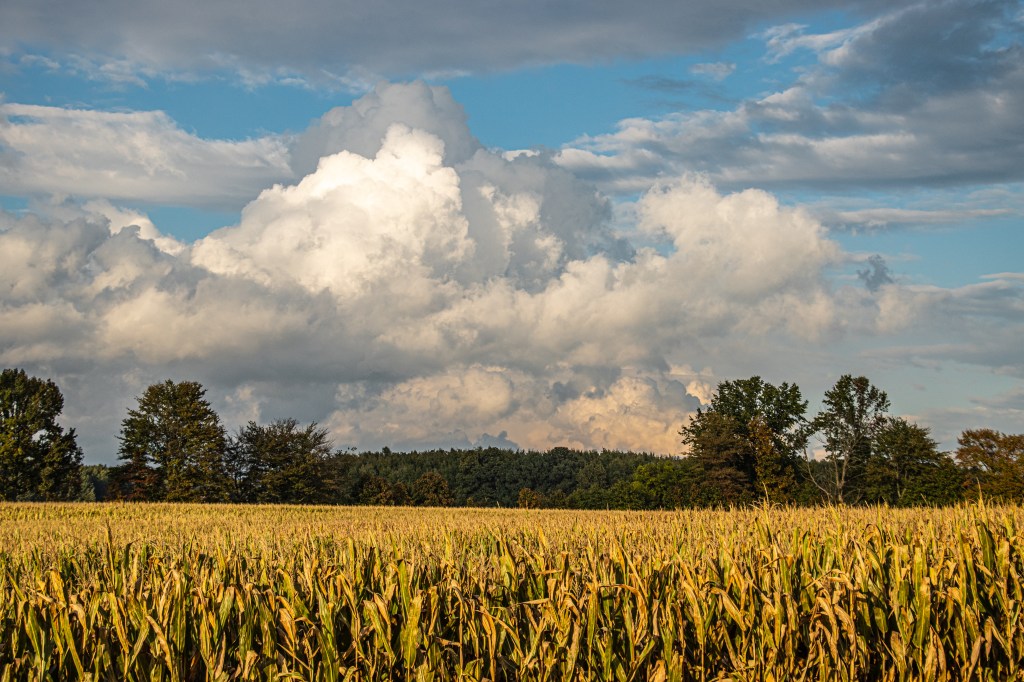
Cornfield, Indiana
While I was in Plattsmouth, I sat and talked with a couple of old boys who told me something about the history of the town. They mentioned that one year the organizers of the corn festival decided to think outside the box and name the annual celebration the King Korn Karnival. Sounded kind of cute until they realized that the acronym for King Korn Karnival is KKK. The idea was promptly put back in the box.
An American’s observations of a first time trip to France.
*Normandy Landings
Omaha Beach – Pointe du Hoc – Sainte-Mère-Église – Normandy American Cemetery
A dog romps around this mostly quiet beach. There’s nothing quite like the unbounded joy of a dog on a beach, kicking up golden sand, and stopping occasionally to inspect the few people on this stretch of shoreline. Anyone walking this beach today is braving fouls weather; rain showers, high winds and blowing sand.
Bravery; it’s a relative thing.
Bravery occurred here eighty-one years ago, when over 1400 equipment laden men of the first wave of the Normandy invasion landed meters from where I’m standing. They were dropped far out in chest deep water and by day’s end the golden sand was stained red and strewn with equipment, the dead and the wounded (the Americans would suffer over 4000 casualties here).
Jesse Beazley, a rifleman with the Second Infantry Division was part of the invasion force that landed on Omaha Beach on June 6th, 1944. When his landing craft was blown up far from shore he was thrown into the water. Weighed down with equipment, he had the wherewithal to shed all his equipment in order to keep from drowning. Many of his comrades were not so lucky. With only his gas mask and his rifle, Jesse swam to shore as German bullets hit the surrounding water. Jesse Beazley survived the ordeal on Omaha and took part in the subsequent major campaigns of World War II.
Omaha is not unlike Utah Beach, which we’d visited yesterday. But for some monuments and plaques that tell the story of June 6th, 1944, this could be any beach in Northern California where I call home. There are of course the ghosts of those who didn’t survive to see the end of that day.
Of those who did survive, and who had the good fortune to survive the rest of the war, very few remain. Most, if not all of the still living, would be 100 years old. (In June of 2024, I was on a plane bound for St. Louis. A frail old man was sitting in first class. I’d first noticed him when he boarded. Needing assistance, he was one of the first to board the aircraft. Once the plane was well on its way, the captain announced that we had a veteran of D-Day on board. The crowd erupted in cheers. A short while later, the captain emerged from the cockpit to meet and shake hands with the old soldier).
The stories will live forever. Though the later generations have been slowly, and unfortunately, forgetting the events of that day, the truth of what happened here will always live. This beach will not forget. In this part of France the memories and the gratitude seem immortal. While the world is content to forget, “la Normandie” will always memorialize the Debarquement.
Just as it was yesterday at Utah Beach, I can only stand and try in vain to imagine the horrors of that day.
“Where tourists and vacationers see pleasant waves, I see the faces of drowning men,” writes Arnold Raymond “Ray” Lambert, in his book, Every Man a Hero: A Memoir of D-Day, the First Wave at Omaha Beach and a World at War. Lambert served as a medic in the 16th Infantry Regiment of the army’s First Division and was part of the first wave to hit Omaha.
“The noise of war does more than deafen you,” he writes. “It’s worse than shock, more physical than something thumping against your chest. It pounds your bones, rumbling through your organs, counter-beating your heart. Your skull vibrates. You feel the noise as if it’s inside you, a demonic parasite pushing at every inch of skin to get out.”
Wounded twice, Lambert saved the lives of more than a dozen of his comrades. Having administered a morphine shot to himself to mask the pain of his own wounds, Lambert rescued men from drowning, bound wounds, and helped to get other wounded to the shelter of a steel barrier. Lambert’s day ended when a landing craft ramp slammed down on him, breaking his back, as he was trying to rescue a soldier drowning in the surf.
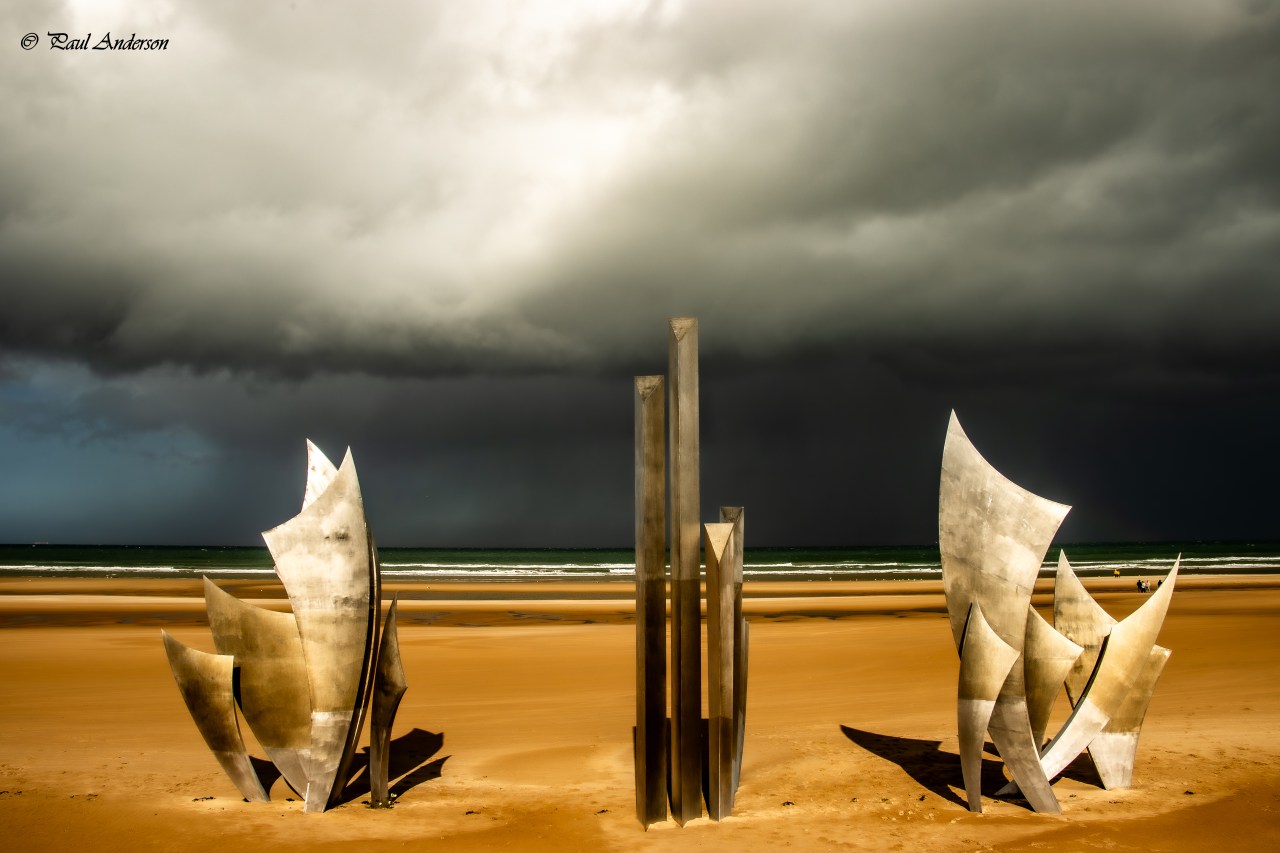
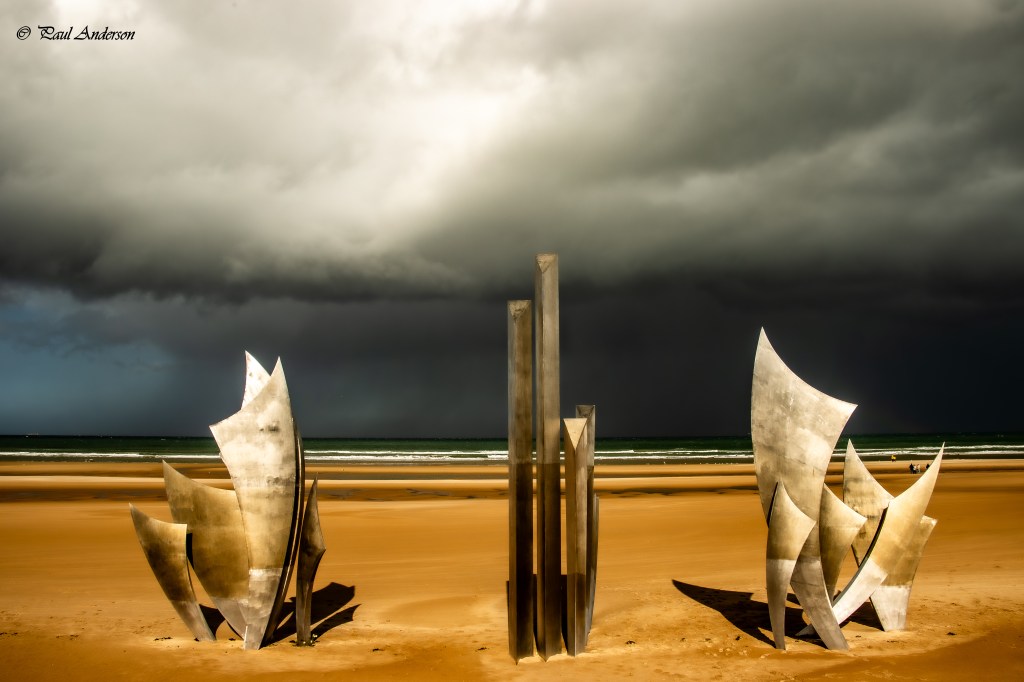
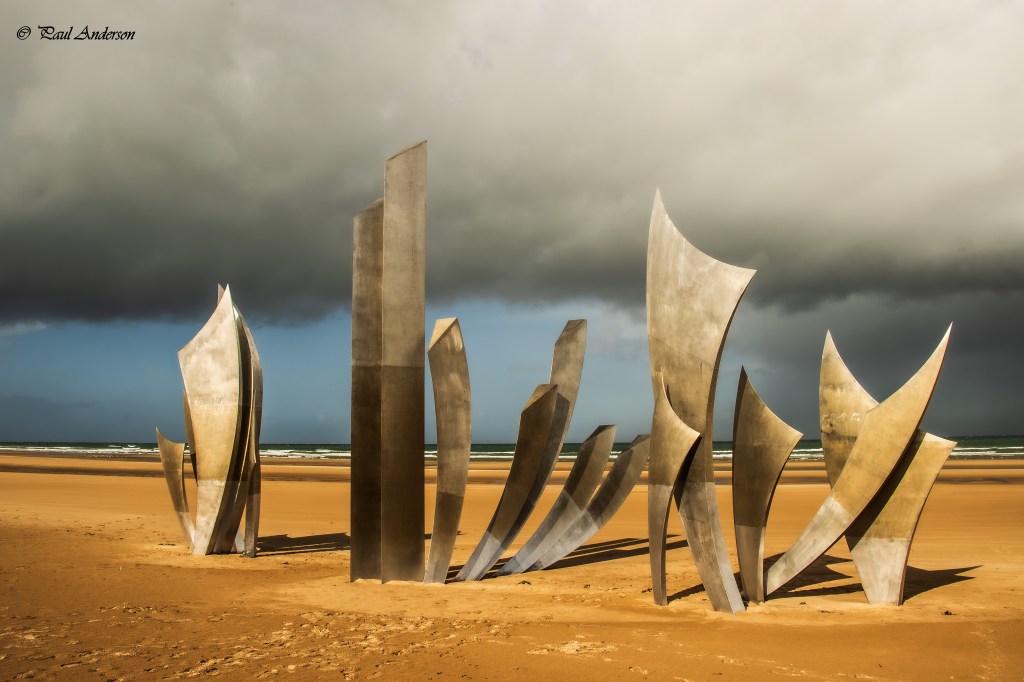
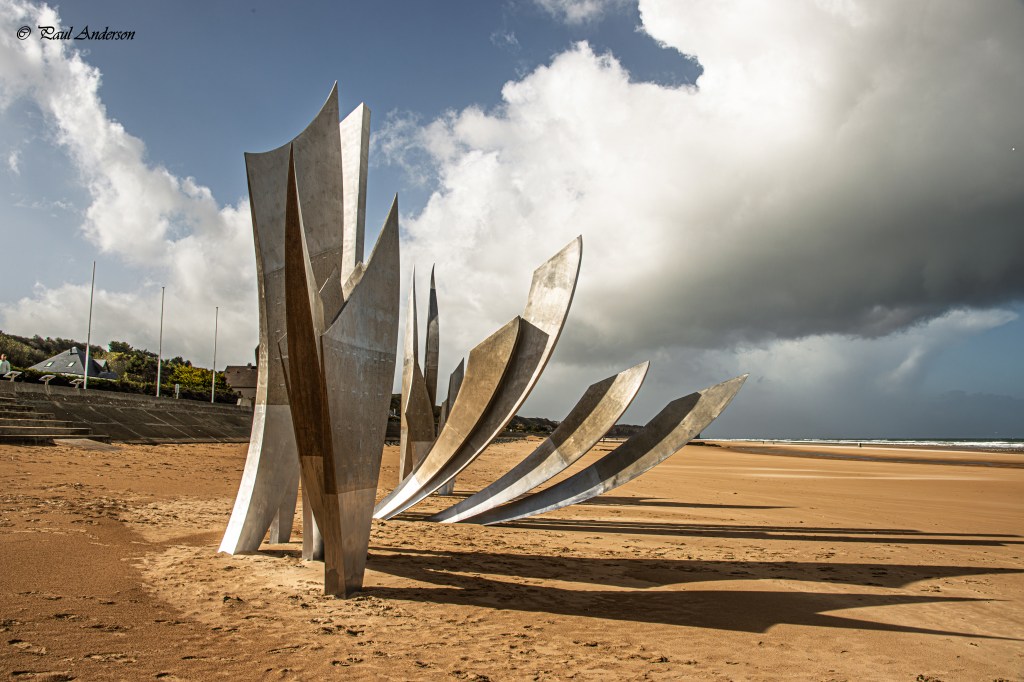
Situated near the center of Omaha Beach is an imposing stainless-steel sculpture designed by Anilore Banon. It consists of a set of three wings and towers. A nearby plaque describes, in Anilore’s words, the meaning behind her work.
I created this sculpture to honour the courage of these men: Sons, husbands and fathers, who endangered and often sacrificed their lives in the hope of freeing the French people. Les Braves consists of three elements: The wings of Hope So that the spirit which carried these men on June 6th, 1944 continues to inspire us, reminding us that together it is always possible to changing the future. Rise, Freedom! So that the example of those who rose against barbarity, helps us remain standing strong against all forms of inhumanity. The Wings of Fraternity So that this surge of brotherhood always reminds us of our responsibility towards others as well as ourselves. On June 6th, 1944 these man were more than soldiers, they were our brothers.
Below: If there’s any saving grace to the stormy weather, it’s the dark clouds looming over the English Channel, that make for some dramatic photos.
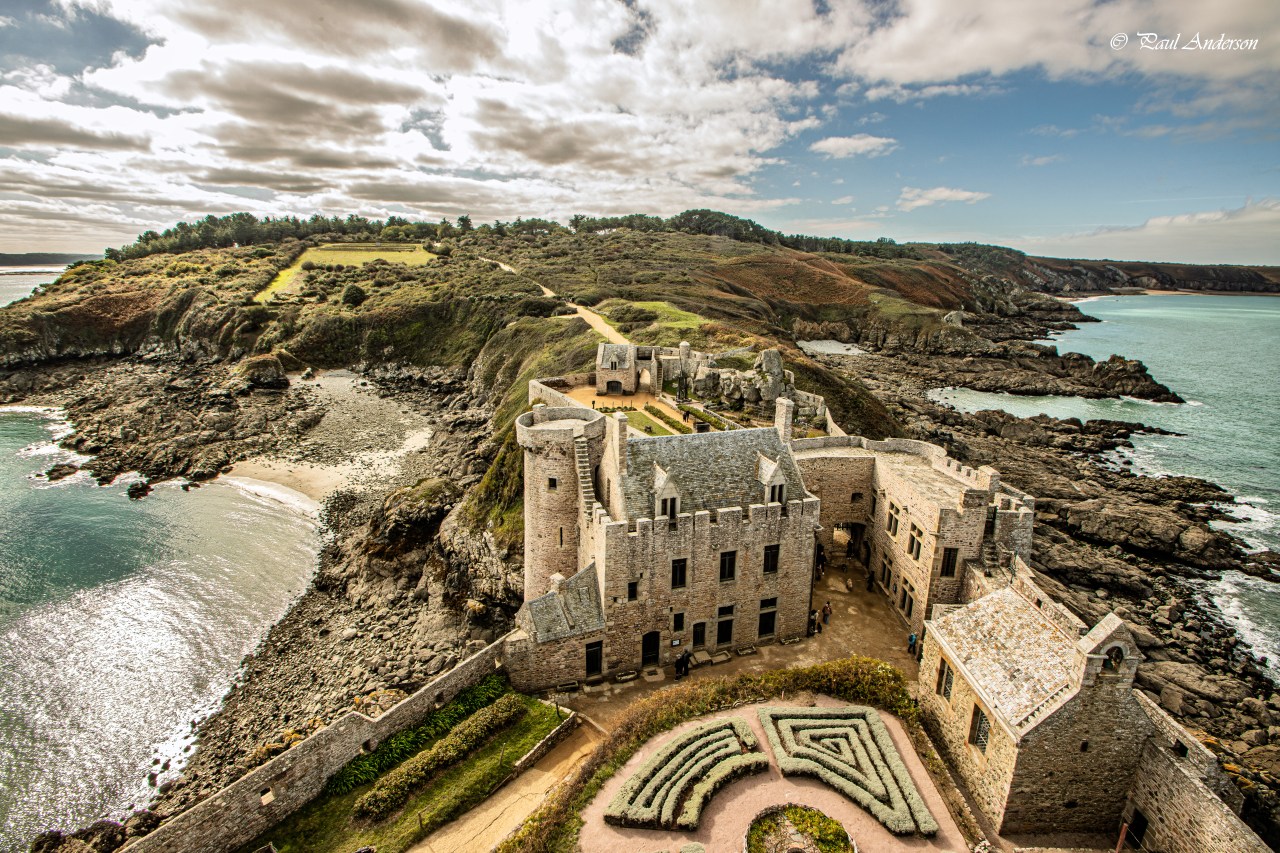
Banner photo: Fort la Latte, Plévenon, Côtes-d’Armor.
An American’s observations of a first time trip to France.
Color directly influences the soul. Color is the keyboard, the eyes are the hammers, the soul is the piano with many strings.” ~ Wassily Kandinsky, Concerning the Spiritual in Art.
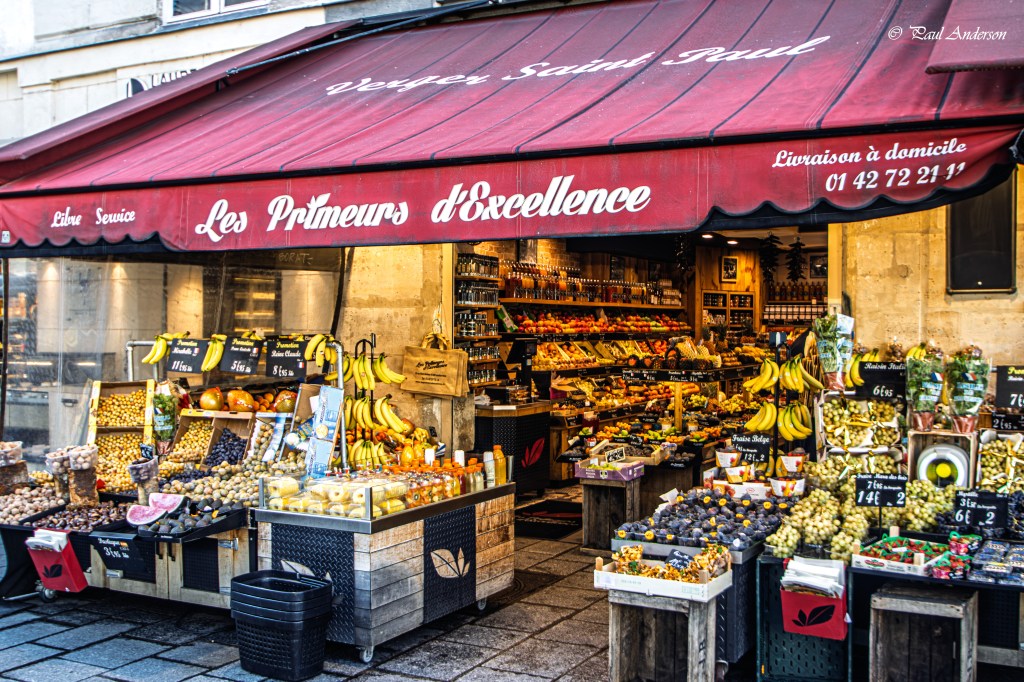
Whether it’s a market stall, or a vast garden surrounding a chateau, or a just a bike parked in front of a bright building, France is a gala of colors.
It was our usual ritual. After getting up early and having cookies and a quick cup of coffee, I was out the door while Cora slept in. I took the metro to the historic 3rd and 4th arrondissements of Paris.
Just browsing.
When it comes to capturing a good color photograph produce markets are always
An American’s observations of a first time trip to France.
*Normandy Landings
Gold Beach,October 2, 2025 It’s chilly, windy, and threatening rain when we arrive in Normandy. We’re renting a house in Ver Sur Mer, a small community near Gold Beach. Gold Beach isn’t a name that the local tourist bureau thought up as a gilded draw for tourists. The approximately five-mile-wide stretch of sand between Port-en-Bessin and La Riviere Mer (just east of Ver Sur Mer) that makes up Gold Beach, was likely named in 1944 by British General (to become Field Marshall) Sir Bernard Montgomery.
Gold Beach,Eighty-one years ago At around 05:30 on the morning of June 6, 1944, the area was rocked by a naval bombardment, while seven kilometers off shore in a pitching twilit sea, elements of the British 50th (Northumbrian) Infantry Division and No. 47 Commando of the Royal Navy were being loaded from ships onto landing craft.
At 0:615 the boats were launched on a journey that would take approximately one and a quarter hours. Upon landing on the beach, the British soldiers faced fierce resistance by the German defenders but by the end of the day the beaches were secured and nearly 25,000 Allied soldiers had landed at Gold. The cost was approximately 1100 British casualties, with 350 killed.
Gold was just one of five landing beaches that were assaulted on June 6th, 1944. In addition, Allied soldiers were parachuted or transported by glider farther inland.
In all, it was the largest amphibious and airborne assault in history, 160,000 men, 5000 vessels and 11,000 aircraft. And it all took place on the shores up and down the Normandy Coast. The peace of the region was shattered in the dark, early hours of June 6, 1944. The ground was pounded by a naval bombardment while aircraft roared overhead.
Most people are drawn to France by Paris, the City of Light, or for the chance to break out the Speedo and bake under the summer sun by the crystal blue waters of the French Riviera. There’s food, culture, food, the arts.
And did I mention food? The French may not have invented cooking but they sure as shit elevated it.
And it doesn’t hurt that France is conveniently located right next to four other popular destinations; Germany, Italy, Spain, and Switzerland. And it’s just a short Chunnel ride from the U.K. “Hey Sheila, since we’re in the neighborhood why don’t we drop by and see what the French are up to,” said Norman.
D-Day brought Cora and I to France. Everything else is whipped cream on the eclair.
It started with New York. With everything American going sideways and listing to the right, we were afraid that leaving the country, (unless the leaving was permanent), might be a bad idea. It wasn’t so much the leaving but the potential problems reentering as U.S. Customs has been feeling its violent, unconstitutional oats since January 20th. We originally had planned on New York, until the Big Apple was taken off the menu because of an unexpected illness, thus setting aside any further talk of travel.
One evening in June, inertia compelled me to pull up a documentary about the D-Day invasion. Cora stopped what she was doing in the kitchen and through tears we watched. Tears over the bravery and the sacrifice. Maybe it was sorrow over ideals that were fought for by so many brave men; ideals that have been fading from a troubled nation’s memory and falling into disfavor. The documentary ended and I said to Cora, “Fuck it, let’s go to France.”











 The Life in My Years